
To understand the modern lifestyle of Santa Maria is to look past fast-moving highways and suburban development to appreciate the traditions that anchor the community. From 19th-century ranching customs to a thriving wine region and world-class regional performing arts, Santa Maria blends historic grit with contemporary vitality.
The Ranching Legacy and Vaquero Spirit
Long before modern agriculture transformed the valley floor into row crops and vineyards, the region was defined by expansive Mexican land grants and cattle ranches. In the mid-1800s, legendary ranchos established a thriving livestock tradition managed by skilled vaqueros—Mexican cowboys renowned for horsemanship, cattle handling, and land stewardship.
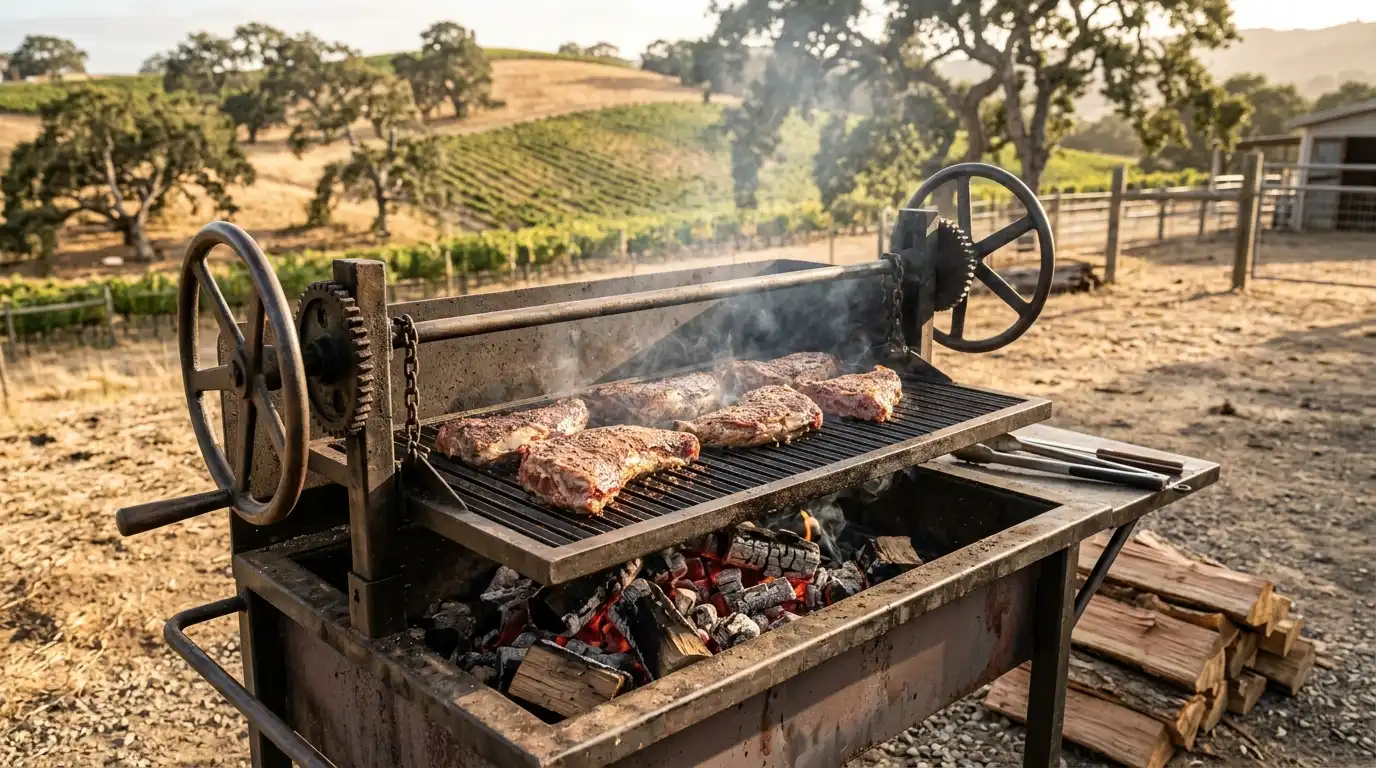
This vaquero legacy established a cultural tradition centered on community hospitality. Following seasonal roundups, ranch owners hosted large gatherings featuring open-pit feasts cooked over native wood fires. These historic gatherings birthed the iconic regional culinary tradition known nationwide as Santa Maria-Style BBQ.
Unlike standard regional barbecue styles reliant on heavy sweet sauces or electric smokers, Santa Maria’s culinary identity focuses on raw simplicity. Central to this tradition is seasoned meat—traditionally top sirloin or tri-tip—grated over open iron pits fired exclusively with native California red oak (Quercus agrifolia). The dense wood burns hot and clean, infusing the cut with a mild, smoky aroma that accentuates rather than overpowers the natural meat flavor.
The Culinary Anchor: Red Oak & Pinquito Beans
Barbecue in Santa Maria is far more than a weekend dining choice; it serves as a central pillar of civic life and community fundraising. On any given Saturday, church parking lots, service club halls, and local parks fill with rising red oak smoke as volunteer pitmasters grill hundreds of pounds of meat for local causes and family reunions.
An authentic Santa Maria spread strictly follows a traditional menu pairing:
- Oak-Grilled Tri-Tip or Top Sirloin: Seasoned simply with salt, pepper, and garlic salt before cooking over open-air coals.
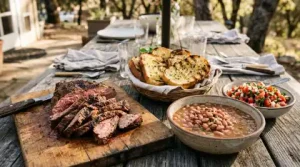
- Pinquito Beans: A small, tender pink bean variety grown almost exclusively in the valley. The pinquito bean tradition yields a creamy, savory side dish simmered with garlic, onions, and delicate spices.
- Salsa Fresca & Garlic Bread: Crisp tomato salsa to balance the rich savory meat, paired with french bread dipped in garlic butter and toasted over the grill.
This fixed culinary ritual connects modern residents directly to the valley’s 19th-century agricultural roots, serving as a reminder that community connection remains at the heart of daily life.
Wine Country without the Pretense
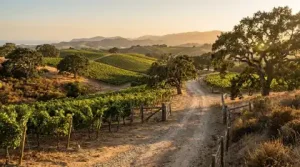
As the agricultural landscape evolved over the 20th century, growers recognized that Santa Maria’s unique east-west valley orientation creates a natural funnel for cool Pacific ocean fogs and breeze. This marine influence creates an extended growing season ideal for cool-climate wine grape varieties.
Today, the Santa Maria Valley AVA stands as one of California’s pioneer wine regions, world-renowned for exceptional Pinot Noir and Chardonnay. Etched into the valley’s eastern hills, the historic Foxen Canyon Wine Trail meanders past rustic tasting rooms, boutique estates, and long-standing family vineyards.
Unlike more commercialized wine destinations, wine tasting along the Central Coast remains accessible and personal. Visitors and local residents frequently chat directly with winemakers in rustic barn tasting rooms surrounded by cattle pastures and rolling hillsides, underscoring the seamless link between agricultural heritage and modern viticulture.
Arts, Culture, and Community Rhythm
Beyond ranchland and agriculture, Santa Maria’s modern cultural landscape is enriched by a diverse, hardworking populace and a robust commitment to the arts. The city boasts a rich Hispanic heritage, reflected in authentic taquerias, annual cultural festivals, vibrant neighborhood gatherings, and busy weekend farmers markets featuring fresh regional produce.
The region also enjoys a thriving artistic presence anchored by the renowned Pacific Conservatory Theatre (PCPA). Established decades ago, PCPA provides professional theatrical productions, musicals, and classical plays while training emerging theatrical talent, drawing theatre enthusiasts from across the state to the Allan Hancock College campus and neighboring outdoor venues.
Outdoor lifestyle options are equally prominent. The nearby Guadalupe-Nipomo Dunes offer striking coastal hiking trails and wildlife viewing, while local parks, equestrian arenas, and biking routes allow families to take full advantage of year-round mild coastal weather.
Embracing the Authentic Central Coast Lifestyle
In an era where many California communities risk losing their distinct character to uniform modern development, Santa Maria maintains a clear sense of self. It is a city where agricultural hard work is celebrated, traditions are passed down around open barbecue pits, and neighbors gather with genuine warmth.
For long-time residents and newcomers alike, living in Santa Maria means enjoying the quiet luxury of space, rich culinary roots, world-class winemaking, and an unpretentious cultural rhythm deeply rooted in Central Coast soil.