
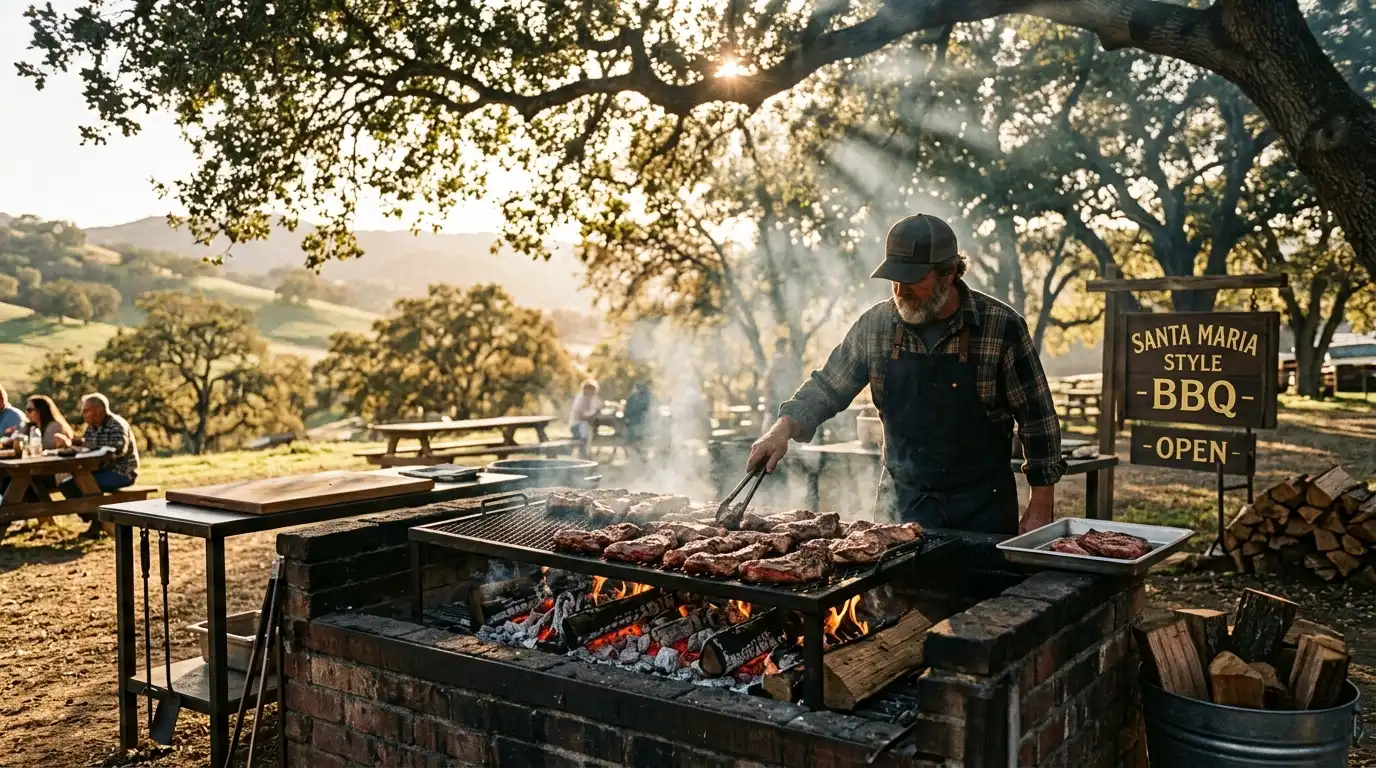
Long before modern settlements were established, the fertile Santa Maria Valley was inhabited by the native Chumash people, who thrived along the coastal waterways and oak-dotted hills for thousands of years. By 1837, the Mexican government issued extensive rancho grants across the valley, including Rancho Punta de la Laguna and Rancho Tepusquet. These vast cattle ranches introduced deep agricultural roots and established the famous red-oak barbecue traditions that still define the region today.
Originally named Grangerville and later Central City, the township officially adopted the name Santa Maria in 1875 before incorporating in 1905. Over the course of the 20th century, the discovery of oil and the expansion of high-yield agriculture propelled local growth. Today, Santa Maria Valley stands as an internationally recognized American Viticultural Area (AVA), celebrated for its cool-climate wines, rich heritage, and vibrant Central Coast community.
The Rancho Era & The Birth of Santa Maria BBQ
 To truly understand the culture of the valley, one must look at the 19th-century vaqueros (cowboys) who worked the vast Mexican rancho grants. During roundups, cattle ranch owners and hands would gather to roast seasoned cuts of beef over open pits filled with coals from native Coast Live Oak.
This technique evolved directly into what is known worldwide today as Santa Maria-Style Barbecue. Rather than sweet, heavy sauces common in other parts of the country, local barbecue relies on a simple rub of salt, pepper, and garlic powder, allowing the aromatic smoke of the red oak to take center stage.
“Santa Maria-style BBQ isn’t just a recipe; it’s a centuries-old social tradition rooted in community roundups and local heritage.”
Agricultural Transformation & The Black Gold Era
As the cattle ranching boom transitioned into settled farming, the valley’s extremely fertile soil made it a prime agricultural hub. By the late 1800s, crops such as beans, grain, and sugar beets blanketed the valley floor.
The early 1900s brought another dramatic transformation: the discovery of oil. The Orcutt Oil Field, discovered in 1901, triggered an economic boom that brought infrastructure, railways, and workforce expansion to Santa Maria, cementing its status as a vital anchor in Santa Barbara County.
Evolution into World-Class Wine Country
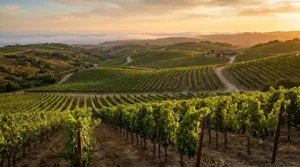
While traditional agriculture remained strong, the late 20th century unlocked a new chapter for the valley. In the late 1960s and early 1970s, commercial vineyards were planted, capitalizing on the unique geography of the region.
Unlike most coastal valleys, Santa Maria Valley features a rare east-to-west transverse valley orientation. This channel allows cool ocean air and marine fog to sweep directly from the Pacific Ocean into the vineyards. In 1981, it became the first officially recognized American Viticultural Area (AVA) in Santa Barbara County, famous today for exceptional Pinot Noir and Chardonnay.
Preserving Heritage in the Modern Era
Today, walking through Santa Maria offers a rare blend of historical preservation and modern Central Coast living. From historical landmarks and family-owned ranches to boutique tasting rooms and bustling local markets, the valley honours its roots while welcoming visitors from around the globe.