
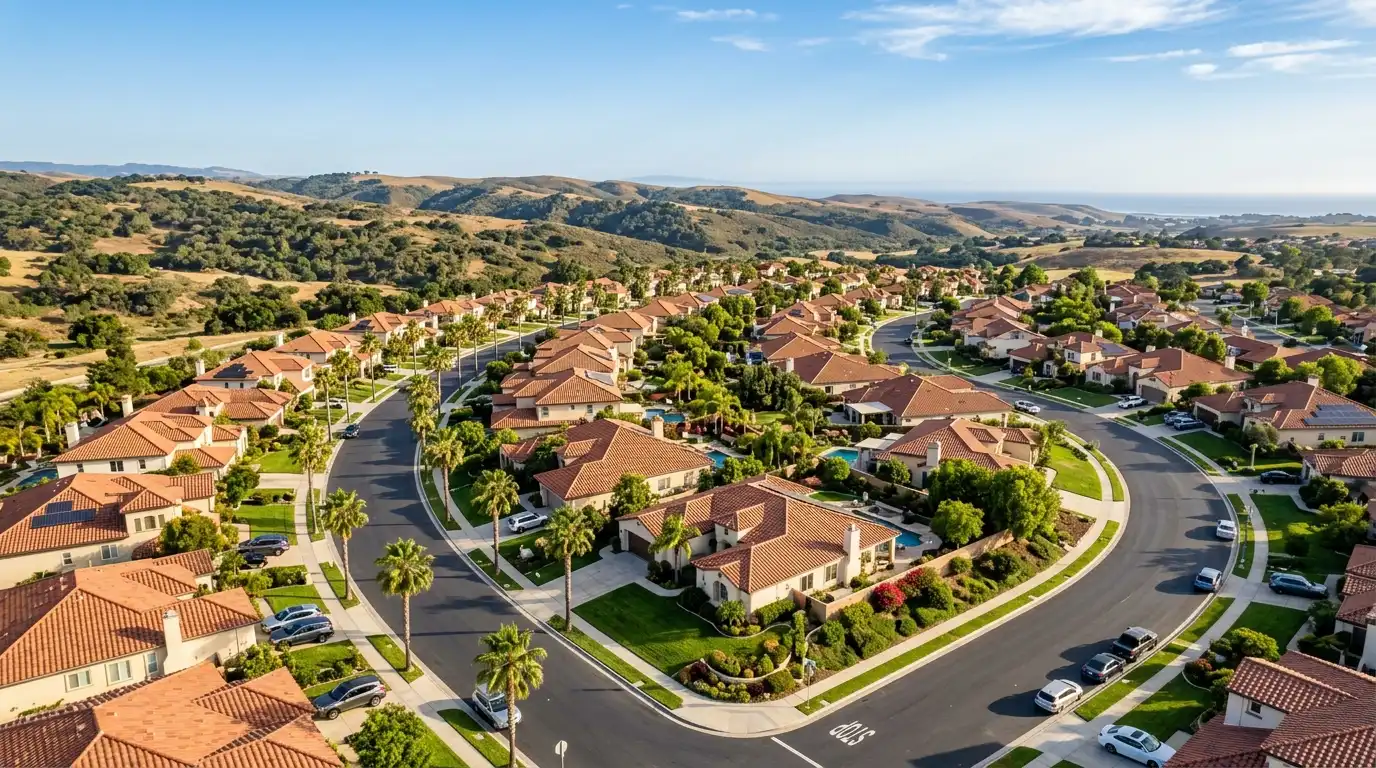
Navigating the Santa Maria housing market trends requires a clear understanding of pricing shifts, neighborhood inventory, and the unique economic drivers shaping Santa Barbara County’s most dynamic residential hub.
Overview of the Santa Maria Real Estate Landscape
Located in the heart of the Central Coast, Santa Maria has solidified its position as one of Santa Barbara County’s most vital housing sectors. Known historically for its rich agricultural roots and world-famous barbecue, the region has increasingly drawn remote workers, growing families, and retirees looking for coastal proximity without the ultra-premium price tags of southern neighbors like Santa Barbara city or Montecito.
Analyzing overall Santa Maria housing market trends reveals a resilient market driven by steady buyer demand and constrained regional housing supply. While shifting mortgage rates nationwide have adjusted buyer purchasing power, Santa Maria maintains consistent transactional momentum due to its strong relative affordability profile within coastal California.
Key Real Estate Metrics & Price Dynamics
Understanding local valuation numbers is the first step for both prospective buyers and current homeowners evaluating equity opportunities. Compared to adjacent counties and metro areas, Santa Maria offers competitive entry points for single-family residences, townhomes, and condominiums.
Property Types & Valuation Trends
- Single-Family Residences: Remain the most sought-after asset class across the valley, particularly developments in suburban pockets like Orcutt and Foxenwood.
- Townhomes & Condominiums: Provide essential entry-level housing options for first-time buyers and investors seeking rental yields near commercial centers.
- New Construction Projects: Emerging developments along the city’s periphery continue to introduce energy-efficient floor plans to help meet ongoing residential inventory demands.
For verified historical home valuation data, regional market statistics, and economic forecasts across California communities, consult the California Association of Realtors.
Top Neighborhoods Shaping Local Housing Demand
Real estate in Santa Maria varies significantly based on micro-location. Buyers analyzing Santa Maria housing market trends quickly discover distinct enclave personalities and amenities across different zip codes.
1. Orcutt (South Santa Maria)
Orcutt is an unincorporated community directly south of central Santa Maria, consistently ranking among the top choices for families. It boasts well-regarded schools under the Orcutt Union School District, spacious lot sizes, and established suburban subdivisions. The neighborhood feel, combined with easy access to Old Town Orcutt’s dining and shopping, keeps home values in this zone particularly robust.
2. Foxenwood Estates
Known for wide streets, executive-style architecture, and larger single-story footprints, Foxenwood Estates stands out for buyers seeking luxury and spacious living. Homes here feature generous yards, quiet cul-de-sacs, and convenient access to local tennis and country club amenities.
3. Central & Downtown Santa Maria
For buyers prioritizing affordability, historic character, or convenience to civic infrastructure, central neighborhoods offer character-filled Craftsman homes alongside functional post-war builds. This zone provides convenient access to local schools, retail centers, and community parks.
4. Bradley Gardens & Eastern Subdivisions
Positioned with efficient commuter links to Highway 101, eastern residential areas offer modern floor plans built primarily from the 1990s onward. These developments feature structured HOAs, well-maintained public spaces, and close proximity to major retail corridors.
Primary Drivers Behind Santa Maria’s Market Resilience
Several structural factors fuel persistent housing demand across the Santa Maria Valley. Understanding these underlying economic engines helps clarify why local property values remain steady despite macroeconomic shifts.
- The Central Coast Affordability Gap: Buyers priced out of San Luis Obispo or South Santa Barbara County find Santa Maria’s price points significantly more manageable, giving buyers more square footage per dollar.
- Strong Agricultural & Local Business Base: A diverse local economy supported by agriculture, aerospace, defense, energy, and healthcare provides stable employment figures across the region.
- Lifestyle & Location: Residents enjoy a moderate Mediterranean climate, immediate access to the Foxen Canyon Wine Trail, public parks, and short drives to Pacific Ocean beaches like Pismo Beach and Guadalupe Dunes.
Strategic Advice for Buyers and Sellers
For Homebuyers:
Success in navigating current market conditions relies on preparation. Get fully pre-approved by a reputable lender rather than relying solely on pre-qualification. Work closely with an experienced local real estate agent who understands neighborhood micro-trends, school boundaries, and off-market opportunities.
For Home Sellers:
While buyer demand is active, modern buyers are discerning. Homes priced accurately according to recent neighborhood comps attract multiple serious offers, whereas overpriced listings risk sitting on the market. Investing in professional photography, curb appeal upgrades, and proper staging ensures maximum online engagement.
Future Outlook for Santa Maria Real Estate
As coastal California continues to face housing supply constraints, Santa Maria stands out as a key hub for balanced living, strong community ties, and accessible property ownership. Whether you are looking to purchase your first starter home, upgrade to an executive estate, or list an existing property, monitoring Santa Maria housing market trends will keep you positioned for smart, confident real estate decisions.